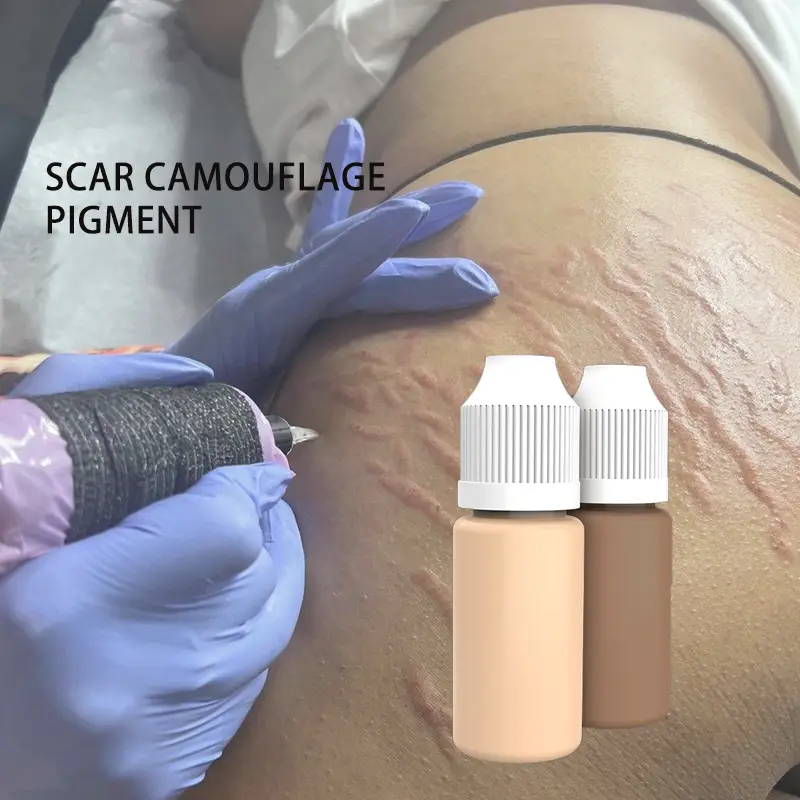
The demand for Scar Camouflage Pigment is growing rapidly among PMU artists, beauty academies, and professional training schools. More clients are looking for non-surgical solutions to improve the appearance of scars, stretch marks, and uneven skin tones. This trend has made scar camouflage one of the fastest-growing techniques in the permanent makeup industry.
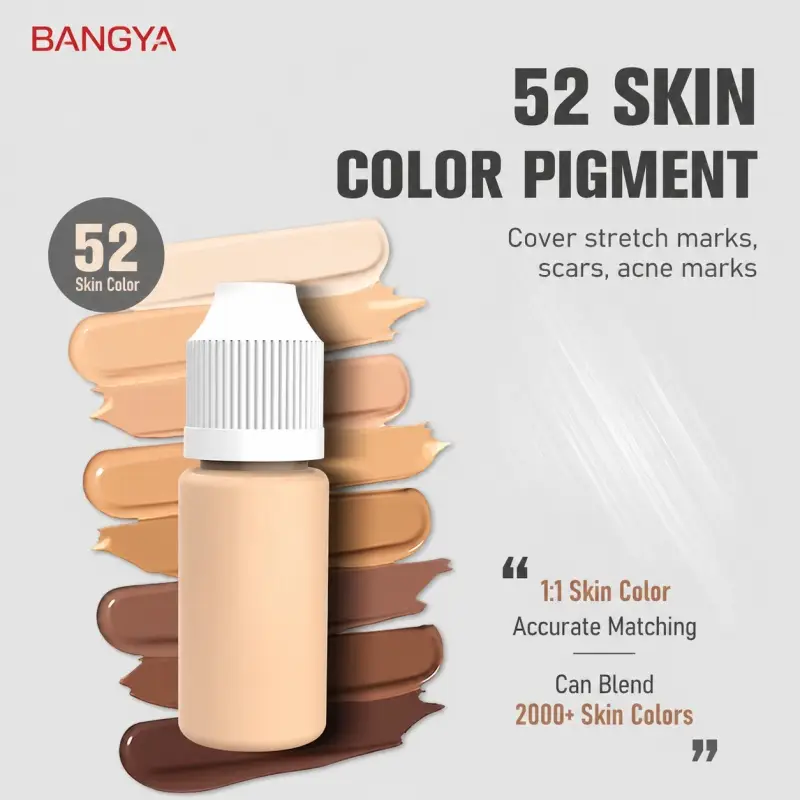
For professional artists and PMU educators, choosing the right pigment is essential. A high-quality pigment not only improves treatment results but also helps students achieve consistent techniques during training.
Why Choose Scar Camouflage Pigment for Professional PMU Treatments?
Modern Scar Camouflage Pigment technology focuses on creating a natural skin illusion rather than simply covering imperfections. Unlike traditional tattoo inks, professional camouflage pigments are designed to blend with different skin tones and create a more realistic healed appearance.
The increasing popularity of Skin Camouflage Tattoo Ink comes from several industry improvements:
1. Advanced Color Matching Technology
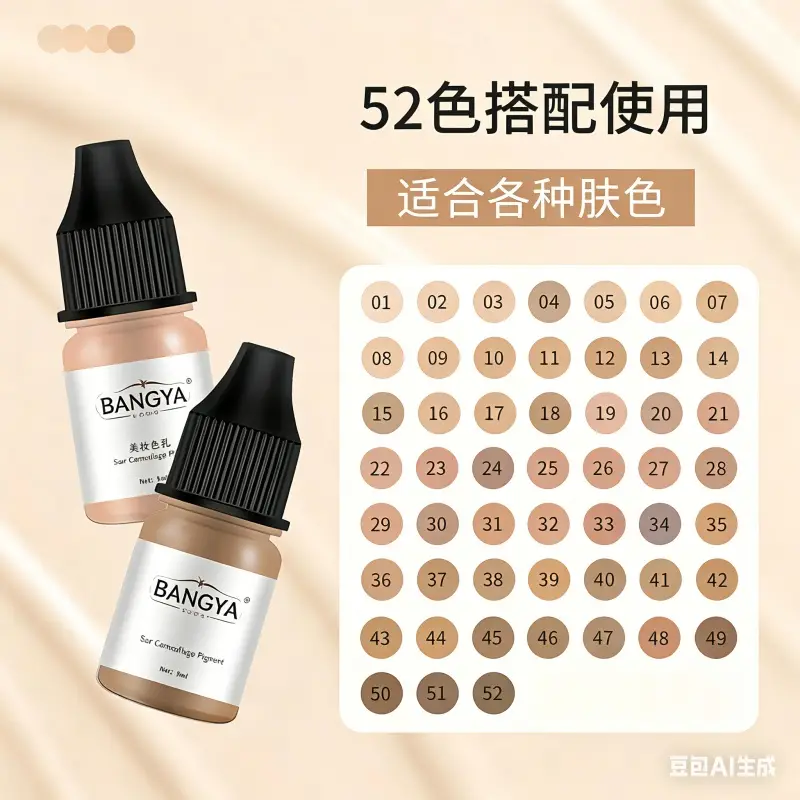
Skin tones are complex and unique. Professional Skin Tone Camouflage Pigments are developed with multiple shades to help PMU artists mix and customize colors according to each client’s natural complexion.
A wider shade range allows artists to work on different applications, including:
- Surgical scar camouflage
- Stretch mark correction
- Burn scar improvement
- Skin tone irregularities
- Post-treatment pigmentation correction
For PMU training schools, teaching color theory and pigment selection with multiple shades helps students build professional skills faster.
How to Choose the Right Scar Concealer Pigment?
The quality of a camouflage pigment depends on its formula, texture, and stability.
A professional Scar Concealer Pigment should have:
Smooth Cream Texture for Better Implantation
A balanced liquid cream texture allows the pigment to move smoothly through a PMU machine. It helps artists control pigment flow, reduce uneven implantation, and achieve natural-looking results.
Stable Pigment Materials
Premium camouflage pigments usually contain carefully selected cosmetic-grade ingredients such as:
- Titanium Dioxide (CI 77891) for light reflection and opacity
- Iron Oxides (CI 77491/CI 77492) for natural skin tones
- Glycerin for smooth pigment consistency
- Stabilizing ingredients for long-term color performance
For professional training and salon use, pigments with stable formulas are easier for beginners to practice and easier for experienced artists to achieve predictable healed results.
Professional Steps: How to Use Scar Camouflage Pigment Correctly
Proper application techniques are important for achieving successful camouflage results.
Step 1: Skin Evaluation and Color Selection
Analyze the client’s skin tone and scar condition. Select the closest matching pigment shade or create a custom blend using different Skin Tone Camouflage Pigments.
Step 2: Prepare the Treatment Area
Clean and disinfect the skin before the procedure. The scar area should be evaluated carefully to determine the correct technique and pigment depth.
Step 3: Prepare the Pigment
Shake the Scar Camouflage Pigment thoroughly before use to ensure even pigment distribution. Place the required amount into a sterile pigment cup.
Step 4: Implant Pigment with PMU Machine
Use professional PMU equipment with suitable needle configurations. Apply the pigment evenly with controlled movements to build natural coverage.
Step 5: Follow Aftercare Instructions
Proper aftercare helps maintain stable healed results and improves client satisfaction.
Why PMU Schools and Artists Prefer Professional Camouflage Pigments
For PMU academies, selecting reliable pigments is not only about product quality but also about teaching efficiency. Consistent color performance allows instructors to demonstrate techniques clearly and helps students develop confidence.
High-quality Scar Camouflage Pigment provides:
- Multiple skin tone options
- Smooth implantation experience
- Professional training suitability
- Reliable healed appearance
- OEM and private label opportunities
Conclusion: Invest in Professional Scar Camouflage Pigment Technology
As scar camouflage treatments continue expanding worldwide, PMU artists and training schools need pigments that combine safety, stability, and natural results. Choosing professional Skin Camouflage Tattoo Ink, Scar Concealer Pigment, and Skin Tone Camouflage Pigments can help artists deliver better services and build stronger client trust.
For brands, distributors, and PMU educators, partnering with an experienced Scar Camouflage Pigment Manufacturer is the key to developing competitive products for the growing beauty market.